A Giant road bike can suit riders looking for speed, endurance, fitness, or competitive performance on paved roads. Giant offers several road-bike families, including lightweight racing models, aerodynamic options, endurance-focused bikes, and more accessible choices for everyday road cycling. Popular names such as TCR, Defy, Propel, and Contend target different riding styles and experience levels. This guide explains the main Giant road bikes, their important features, carbon and aluminum options, riding purposes, and the key factors to consider before choosing the right model.
What Is a Giant Road Bike?
A Giant road bike is designed mainly for efficient riding on paved surfaces. Most models use drop handlebars, road-focused geometry, relatively narrow tires, and lightweight frames. Giant’s current road lineup includes categories for all-round riding, endurance, racing, aerodynamic performance, and triathlon, giving cyclists several options based on speed, comfort, and distance.
Built for Road Performance
Compared with mountain or general-purpose bikes, road bicycles emphasize efficient pedaling and faster travel on pavement.
Common characteristics include:
- Drop handlebars
- Lightweight frames
- Road-specific gearing
- Disc brakes on many models
- Efficient road tires
- Aerodynamic components
- Carbon or aluminum construction
- Performance-oriented geometry
Specific features vary according to the model and price level.
Different Models for Different Riders
There is no single Giant road bike that suits every cyclist.
A competitive rider may prioritize low weight and aerodynamics, while someone riding long distances may prefer more relaxed geometry and additional comfort. Giant separates its models accordingly, making intended use an important part of the selection process.
Popular Giant Road Bike Models
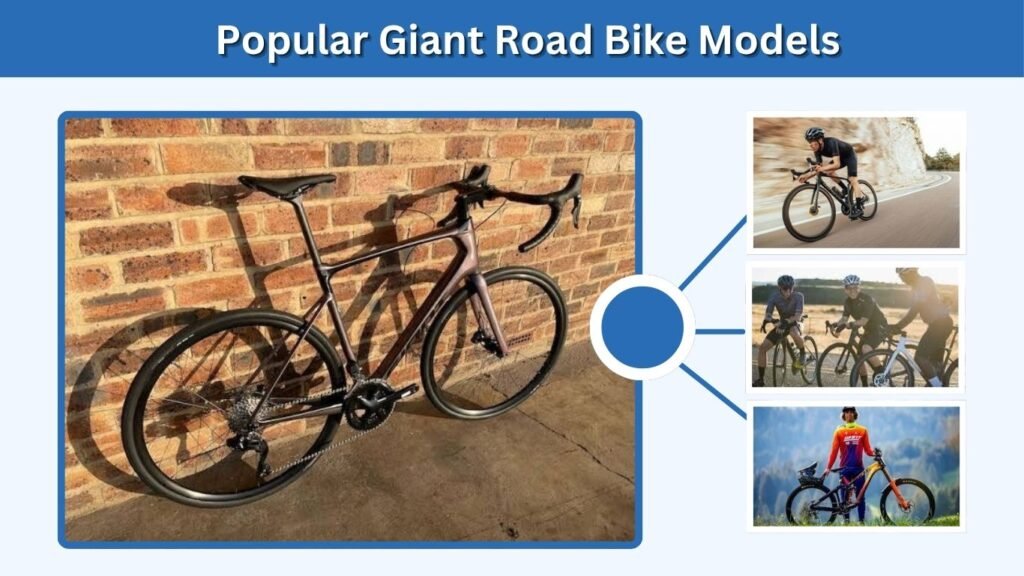
Giant currently offers several recognizable road-bike families. TCR is the all-round race platform, Propel emphasizes aerodynamic performance, Defy is designed for endurance, and Contend provides more accessible road options. The lineup also includes Trinity for triathlon and Defy Advanced E+ models for electric-assisted road riding.
Giant TCR Road Bike
The Giant TCR road bike is designed as an all-round performance machine.
It focuses on balancing lightweight construction, stiffness, responsiveness, and aerodynamic efficiency. Current TCR options include Advanced, Advanced Pro, and Advanced SL versions.
TCR is especially suitable for riders interested in:
- Road racing
- Fast group rides
- Climbing
- Performance training
- Mixed race terrain
- Lightweight road cycling
Giant Defy Road Bike
The Giant Defy road bike is Giant’s endurance-focused platform.
Its design gives greater attention to long-distance comfort while maintaining road-bike efficiency. Current Defy models include Advanced, Advanced Pro, and Advanced SL versions.
Giant Propel Road Bike
The Giant Propel road bike is built around aerodynamic performance.
Current Propel models include Advanced, Advanced Pro, and Advanced SL options, making the range particularly relevant to riders who prioritize speed and racing performance.
Giant Road Bikes for Racing
Racing road bikes prioritize speed, efficient power transfer, responsive handling, and aerodynamics. Giant currently offers both TCR and Propel as performance-oriented choices, but they approach speed differently. TCR is more focused on lightweight all-round performance, while Propel places greater emphasis on aerodynamic efficiency.
TCR for All-Round Racing
TCR is a strong option for riders facing varied terrain.
Its characteristics make it useful for climbing, descending, cornering, and fast flat sections rather than concentrating on only one type of race.
Propel for Aerodynamic Speed
Propel places more emphasis on reducing aerodynamic drag.
Giant’s road technology includes aerodynamic features such as integrated cable routing and aero-oriented components across road platforms including Propel.
This makes Propel particularly attractive for:
- Fast racing
- Flat terrain
- High-speed training
- Sprint-focused riding
- Fast group rides
Giant Road Bike for Long-Distance Riding
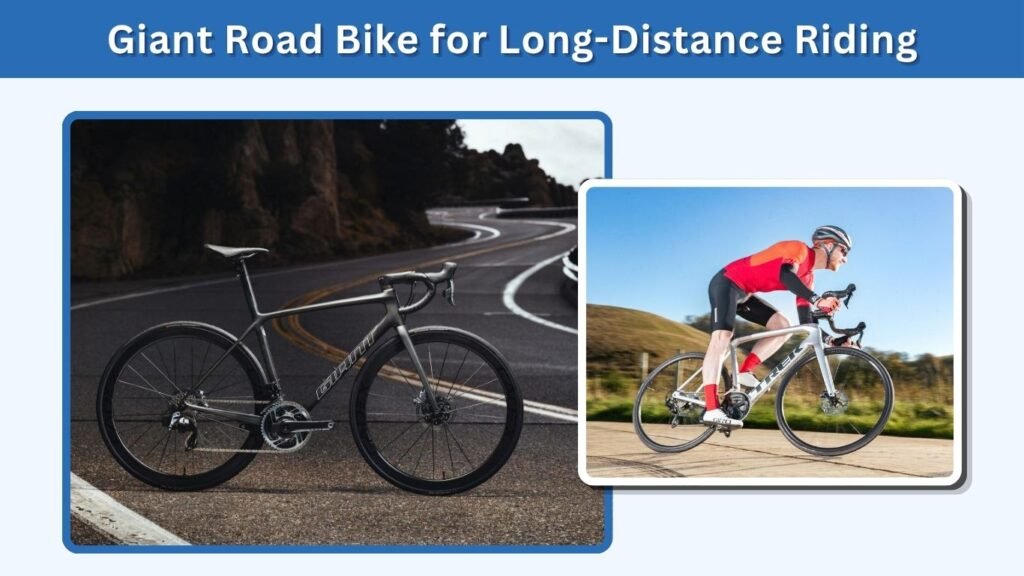
Long rides place different demands on a bicycle than short races. Comfort, predictable handling, tire volume, and a sustainable riding position become increasingly important as hours in the saddle increase. For this purpose, Giant’s Defy family is the primary endurance-focused road option in the current lineup.
Why Endurance Geometry Matters
Race bikes often place riders in a lower, more aggressive posture.
Endurance geometry usually provides a slightly more relaxed position that can reduce fatigue over longer distances while still maintaining efficient road performance.
Giant Defy for Endurance Cycling
Defy is suited to riders who enjoy:
- Long weekend rides
- Gran fondos
- Fitness cycling
- Distance training
- Recreational road riding
- All-day road adventures
It offers a more endurance-oriented alternative to a highly aggressive race bike.
Giant Carbon Road Bike Options
Your keyword list shows interest in giant carbon road bike, carbon giant road bike, and carbon fiber giant road bike. Carbon fiber is widely used in higher-performance road bikes because manufacturers can shape the material to balance low weight, stiffness, aerodynamics, and ride comfort.
Advantages of Carbon Frames
Potential advantages include:
- Lower frame weight
- High stiffness-to-weight ratio
- Aerodynamic tube shaping
- Responsive handling
- Tuned ride characteristics
- Premium performance
Carbon is commonly found across Giant’s TCR, Defy, and Propel Advanced ranges.
Advanced and Advanced SL Models
Giant uses different levels of composite construction across its road-bike families.
Higher-level Advanced SL models represent premium performance configurations, while Advanced and Advanced Pro models offer additional options across different price and specification levels.
Aluminum Giant Road Bikes
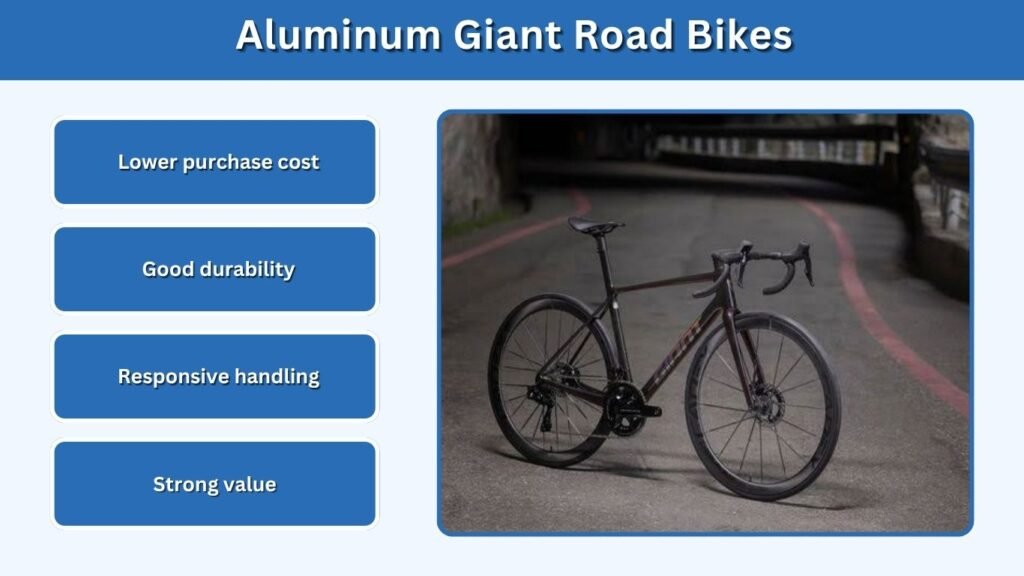
Carbon is not necessary for every rider. Aluminum road bikes can provide excellent performance at a lower price and are often attractive to beginners, fitness cyclists, and riders who want dependable road capability without moving immediately into premium carbon models.
Benefits of Aluminum Road Bikes
Aluminum can provide:
- Lower purchase cost
- Good durability
- Responsive handling
- Solid road performance
- Strong value
- Practical everyday use
This makes it particularly suitable for riders entering road cycling.
Giant Contend Road Bikes
Giant’s current road lineup includes Contend SL and Contend AR models among its more accessible road-bike choices.
Contend can appeal to riders who want road-bike geometry and drop handlebars without immediately choosing a high-level race platform.
Important Giant Road Bike Features

Road-bike performance depends on more than the frame name. Drivetrain, brakes, wheels, tire width, frame geometry, and fit all influence how a Giant road bicycle feels. Comparing these details against your actual riding conditions is more useful than choosing the highest specification simply because it appears more advanced.
Features to Compare
Before selecting a Giant road bike, consider:
- Frame material
- Frame size
- Geometry
- Drivetrain
- Gear range
- Brake type
- Wheelset
- Tire clearance
- Handlebar shape
- Overall weight
Prioritize features that make a meaningful difference to your type of riding.
Disc Brakes
Disc brakes are widely available across Giant’s current road-bike range.
They provide dependable braking and are particularly useful when riding in changing weather or on long descents.
Integrated Road Technology
Giant uses technologies such as OverDrive Aero on Defy, Propel, and TCR ranges to integrate cable routing through the front end while supporting aerodynamic design.
Such features are most relevant to riders who value streamlined design and performance.
Giant Road Bike vs Gravel Bike
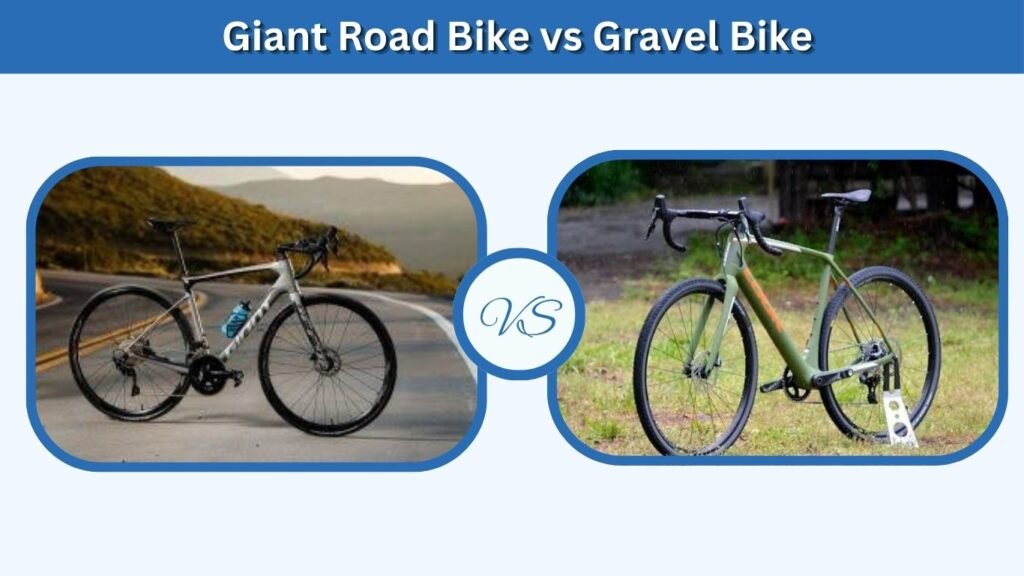
Giant road bicycles and gravel bikes can look similar because both often use drop handlebars. However, traditional road bikes emphasize speed and efficiency on pavement, while gravel bikes prioritize wider tires, stability, and versatility across rougher surfaces.
Choose a Road Bike For
A Giant road bike is usually more suitable for:
- Paved roads
- Road racing
- Fast training
- Group rides
- Long-distance pavement
- Climbing paved routes
It provides a more road-specific setup.
Choose a Gravel Bike For
A gravel bike makes more sense if you frequently ride:
- Loose gravel
- Dirt roads
- Unpaved tracks
- Mixed terrain
- Rougher surfaces
Your keyword list also shows strong interest in Giant gravel bikes, but they serve a different riding purpose from dedicated road models.
How to Choose a Giant Road Bike
Choosing among Giant road bike models becomes easier once you define your main goal. Someone training for racing has different priorities from a cyclist planning comfortable weekend rides. Frame fit should come first, followed by riding style, geometry, material, drivetrain, and budget.
Match the Model to Your Goal
A simple guide is:
- TCR: All-round road racing and lightweight performance
- Propel: Aerodynamic racing and high speed
- Defy: Endurance and long-distance comfort
- Contend: Accessible recreational road cycling
- Trinity: Triathlon and time-trial riding
- Defy Advanced E+: Electric-assisted endurance cycling
These families appear in Giant’s current road-bike lineup.
Get the Correct Frame Size
Fit directly affects comfort, control, and pedaling efficiency.
Consider your height, inseam, reach, flexibility, and preferred riding posture. A correctly fitted lower-spec bike can often provide a better experience than a premium bike that does not fit properly.
FAQs
1. Is a Giant road bike good for beginners?
Yes. Giant offers road bikes across several performance and price levels, including more accessible Contend models alongside premium race platforms. Beginners should focus on correct sizing, comfortable geometry, reliable components, and a suitable gear range rather than immediately choosing the lightest or most expensive bike.
2. Which Giant road bike is best for racing?
TCR and Propel are the main race-oriented choices. TCR focuses on lightweight, versatile road performance, while Propel places more emphasis on aerodynamics and high-speed efficiency. The better choice depends on whether you prioritize climbing and all-round racing or aerodynamic performance on faster terrain.
3. Which Giant road bike is best for long-distance riding?
Defy is the main Giant endurance road-bike family. Its positioning emphasizes longer-distance riding rather than aggressive race-only performance. Riders interested in gran fondos, long training sessions, and recreational distance cycling may find its endurance-focused design more comfortable than a highly aggressive race bike.
4. Are Giant carbon road bikes worth it?
Carbon models can be worthwhile for riders who value reduced weight, refined ride characteristics, aerodynamics, and higher performance. However, aluminum bikes may offer better value for beginners and recreational cyclists. The right choice depends on riding frequency, performance expectations, experience level, and available budget.
5. What is the difference between TCR, Defy, and Propel?
TCR is Giant’s lightweight all-round race platform, Defy focuses on endurance and longer-distance comfort, while Propel emphasizes aerodynamic speed. All are designed for road riding, but their geometry and performance priorities differ, so the best model depends on your terrain, distance, and cycling goals.
