Women’s road bikes are designed for efficient, comfortable, and fast cycling on paved roads, whether the goal is fitness, commuting, endurance riding, or racing. Modern road bikes come in many frame sizes, geometries, and component levels, allowing women to choose a setup that fits their body and riding style. From beginner-friendly aluminum bikes to lightweight carbon racing machines, there are options for nearly every cyclist. This guide explains bike types, sizing, frame materials, comfort features, and what to consider when choosing the right women’s road bike.
What Are Women’s Road Bikes?
Women’s road bikes are bicycles intended for paved-road cycling, generally featuring drop handlebars, lightweight frames, efficient tires, and multiple gears. While some models may include women-specific contact points or sizing, many modern bikes are effectively unisex and are best selected according to fit. Choosing the correct geometry and frame size matters more than the label on the bike.
Typical Road Bike Features
Most road bikes include:
- Drop handlebars
- Narrow or moderately wide tires
- Lightweight frames
- Multiple gears
- Disc or rim brakes
- Road-focused geometry
- Large-diameter wheels
- Efficient riding positions
These features help riders maintain speed while reducing unnecessary rolling resistance.
Women-Specific vs Unisex Road Bikes
A women-specific road bike may use a different saddle, narrower handlebars, shorter reach, or additional smaller frame sizes.
However, many women ride unisex road bikes comfortably. The most important factor is whether the bike fits your height, reach, flexibility, and preferred riding posture.
Types of Women’s Road Bikes

There are several road bike types because riders have different goals. A beginner may prioritize comfort and stability, while an experienced cyclist may want lower weight and faster handling. Understanding the major road-bike categories makes it easier to choose a model that suits your typical rides instead of simply choosing based on appearance or price.
Common Types of Road Bikes
Popular categories include:
- Endurance road bikes
- Racing road bikes
- Aero road bikes
- Entry-level road bikes
- Lightweight climbing bikes
- Electric road bikes
- Gravel-influenced road bikes
Each offers a different balance of speed, comfort, weight, and versatility.
Endurance Road Bikes
Endurance road bikes are designed for longer rides and a more sustainable riding position.
They generally provide more relaxed geometry than race bikes and may support wider tires for extra comfort. This makes them suitable for recreational riders, long-distance cyclists, and beginners who prefer comfort over aggressive performance.
Racing Road Bikes
Racing road bikes use more aggressive geometry and place greater emphasis on speed, low weight, and responsive handling.
They are best suited to riders interested in racing, fast group rides, or performance training.
Women’s Road Bikes for Beginners
A beginner road bike should feel stable, comfortable, and easy to control. New riders do not need the lightest carbon frame or the most aggressive racing geometry. A well-fitted aluminum or entry-level endurance model can provide a better introduction to road cycling while still offering enough performance for fitness and longer rides.
Beginner-Friendly Features
Look for:
- Relaxed endurance geometry
- Wide gear range
- 28–32 mm tires
- Reliable disc brakes
- Comfortable saddle
- Easy-to-use shifting
- Aluminum or affordable carbon frame
- Appropriate frame sizing
These features help new riders build confidence without making the bike unnecessarily complicated.
Focus on Comfort First
A bike that causes neck, back, hand, or knee discomfort can quickly discourage a new rider.
Correct saddle height, handlebar position, and reach are essential. Before upgrading components, make sure the basic fit allows you to ride comfortably for increasing distances.
Build Road Skills Gradually
Beginners should practice braking, shifting, cornering, and riding predictably before concentrating on speed.
Learning how to maintain cadence and choose gears efficiently will make longer rides easier over time.
How to Choose the Right Women’s Road Bike Size

Correct sizing is one of the most important parts of choosing a road bike. A bike that is too large can feel difficult to control, while one that is too small may create a cramped riding position. Manufacturers use different sizing systems, so always check the specific brand’s geometry chart rather than relying only on labels such as small or medium.
Measurements to Consider
Useful fit measurements include:
- Rider height
- Inseam
- Reach
- Torso length
- Arm length
- Saddle height
- Handlebar reach
- Flexibility
These factors help determine whether the rider can maintain a comfortable and efficient position.
Reach Matters
Women with shorter torsos or arms may prefer a bike with a shorter reach.
This does not necessarily require a women-specific frame. Different frame geometries, stem lengths, and handlebar setups can often achieve an appropriate fit.
Saddle Fit Is Important
A comfortable saddle should support the rider properly without causing excessive pressure.
Saddle width and shape matter more than simply choosing something labeled for women. Trying different options may be necessary to find the best match.
Aluminum vs Carbon Women’s Road Bikes

Frame material affects weight, cost, ride characteristics, and performance. Aluminum is widely used for affordable and beginner road bikes, while carbon fiber dominates many performance models. Both can provide excellent riding experiences when the frame fits correctly and the components match the rider’s goals.
Aluminum Road Bikes
Aluminum models can be a strong choice because they offer:
- Lower prices
- Good durability
- Responsive handling
- Reasonable weight
- Strong value
- Suitable performance for beginners
A quality aluminum bike can handle fitness rides, commuting, and long recreational cycling very effectively.
Carbon Road Bikes
Carbon fiber is popular among riders who value reduced weight and performance.
Manufacturers can shape carbon frames to control stiffness, aerodynamics, and comfort. Premium carbon bikes can be excellent for racing and long-distance riding, although they generally cost considerably more.
Which One Should You Choose?
Choose aluminum when value and durability are higher priorities.
Consider carbon when you ride frequently and value weight savings, refined ride feel, or higher-level performance enough to justify the additional cost.
Women’s Road Bikes for Long-Distance Riding
Long-distance rides require more than a fast bicycle. Comfort, stable handling, suitable gearing, and tire volume become increasingly important as time in the saddle increases. This is why endurance road bikes are often an excellent choice for women who enjoy recreational distance rides, gran fondos, or extended fitness sessions.
Features for Long Rides
Look for:
- Endurance geometry
- Comfortable saddle
- Wider tires
- Suitable climbing gears
- Multiple hand positions
- Stable handling
- Bottle cage mounts
- Reliable brakes
These features can help reduce fatigue over longer distances.
Choose a Sustainable Riding Position
A very low racing position may be efficient at high speed but uncomfortable for riders who are not accustomed to it.
An endurance bike usually places the rider slightly more upright, helping make long rides easier without losing the efficient characteristics of a road bicycle.
Women’s Racing Road Bikes
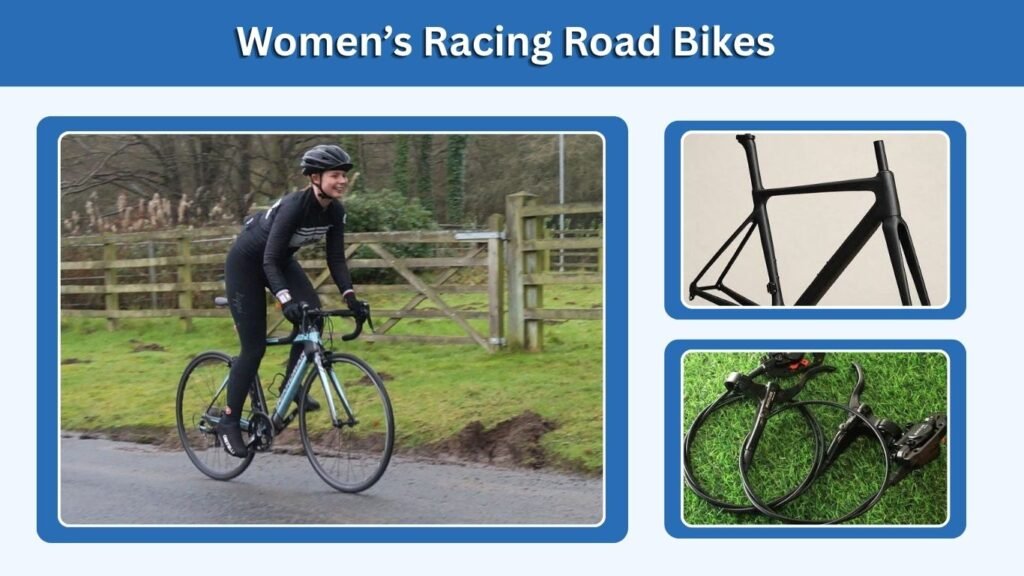
Women who participate in competitive cycling or fast group rides may prefer a more performance-oriented road bike. Racing models typically emphasize low weight, aerodynamics, efficient power transfer, and quick handling. However, performance only helps when the bicycle fits properly.
Racing Bike Characteristics
Common performance features include:
- Carbon frames
- Lightweight wheelsets
- Aerodynamic tubing
- Aggressive geometry
- High-performance drivetrains
- Hydraulic disc brakes
- Race-oriented tires
These features are designed to improve efficiency during faster riding.
Aero vs Lightweight Bikes
An aero road bike focuses on reducing air resistance, making it useful for sustained speed and flatter terrain.
A lightweight road bike emphasizes low mass and responsiveness, which may benefit climbing and routes with frequent elevation changes.
Affordable Women’s Road Bikes
You do not need a premium racing bike to enjoy road cycling. Affordable road bikes can provide excellent performance for beginners, fitness riders, and recreational cyclists. Spending wisely on fit, reliable components, and useful features often produces a better experience than paying extra for marginal weight savings.
Prioritize These Features
When comparing affordable bikes, focus on:
- Correct frame size
- Reliable drivetrain
- Comfortable geometry
- Good braking
- Suitable tire clearance
- Durable wheels
- Replaceable components
- Reputable manufacturer
These factors generally matter more than premium cosmetic details.
Entry-Level Bikes Can Last for Years
A well-maintained entry-level road bike can remain useful even as your fitness improves.
Components such as tires, saddles, pedals, and wheels can also be upgraded later if your riding becomes more performance-focused.
Women’s Road Bike vs Hybrid Bike
Road bikes and hybrid bikes both work well on pavement, but their riding positions and performance goals differ. Road bikes emphasize efficiency and speed, while hybrids generally provide a more upright position and additional everyday versatility.
Choose a Road Bike If You Want
A road bike is usually better for:
- Fitness cycling
- Long-distance riding
- Fast road rides
- Racing
- Group cycling
- Efficient climbing
- Higher average speeds
Drop handlebars also provide multiple hand positions during long rides.
Choose a Hybrid Bike If You Want
A hybrid may suit riders who prefer a relaxed posture, flat handlebars, city commuting, or occasional mixed-surface riding.
Hybrids are generally easier for casual everyday use, while road bikes are more efficient for longer paved rides.
Essential Features to Check Before Choosing

The best women’s road bike is not necessarily the lightest or most expensive model. Frame fit, geometry, tire clearance, gearing, and braking have a much greater impact on everyday comfort. Assess how you actually plan to ride before deciding which specifications deserve the most attention.
Road Bike Buying Checklist
Check:
- Frame size and geometry
- Saddle comfort
- Handlebar width
- Tire width
- Gear range
- Brake system
- Frame material
- Wheel quality
- Mounting points
- Overall riding position
Always prioritize fit and intended use before premium components.
Consider Your Typical Terrain
Flat routes may favor faster gearing and aerodynamic efficiency.
Hilly areas make lower climbing gears and reduced bike weight more valuable. Rough pavement may justify wider tires and endurance geometry for greater comfort.
FAQs
1. What is the best type of women’s road bike for beginners?
An endurance-style road bike is often a strong choice for beginners because it offers stable handling and a more comfortable riding position than aggressive race bikes. Look for appropriate sizing, easy gearing, 28–32 mm tires, dependable brakes, and a comfortable saddle before focusing on weight or premium components.
2. Are women’s road bikes different from men’s road bikes?
Some women-specific bikes may use smaller sizes, shorter reach, narrower handlebars, or different saddles. However, many modern road bicycles are designed as unisex models. Proper frame size and individual fit matter more than gender labeling, so riders should compare geometry and contact points carefully.
3. What size road bike should a woman choose?
Road-bike size depends on height, inseam, torso length, reach, and the geometry of the specific model. Sizes vary between manufacturers, so there is no universal answer based only on height. Use the manufacturer’s sizing chart and, when possible, test the bike or obtain a professional fit.
4. Are carbon road bikes better for women?
Carbon bikes are not inherently better specifically for women, but they can provide lower weight, refined ride characteristics, and high performance. Aluminum models often provide better value for beginners and recreational riders. The best frame material depends on budget, riding frequency, goals, and desired performance.
5. Are women’s road bikes good for long-distance riding?
Yes. Endurance road bikes can be particularly suitable for long-distance riding because they combine efficient road performance with more relaxed geometry and room for comfortable tires. Proper bike fit, suitable gearing, hydration, saddle comfort, and gradual training are also important for making long rides enjoyable.
